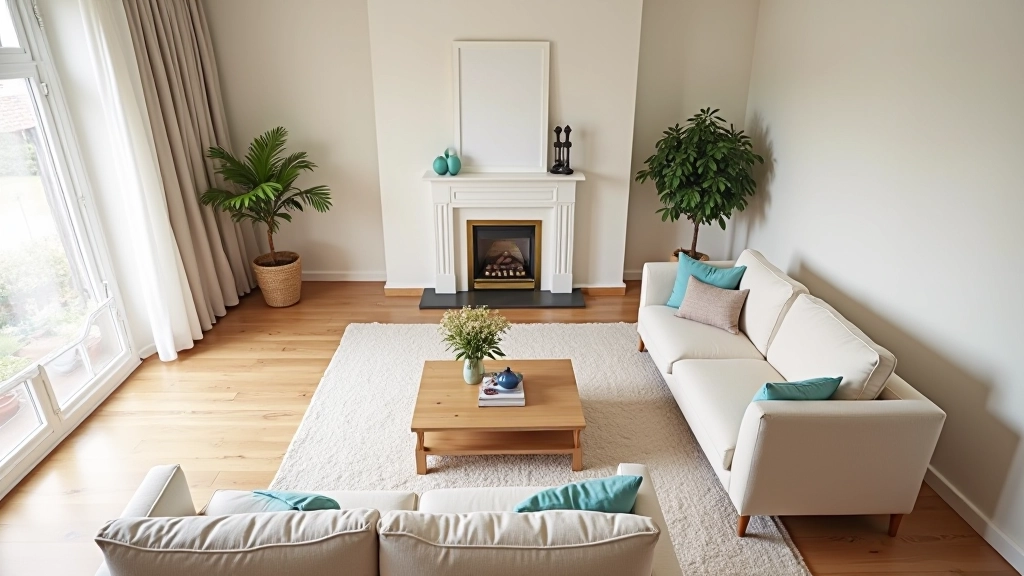

How to Paint an Accent Wall the Right Way
Step-by-step guide covering colour selection, preparation, technique, and common mistakes to avoid when painting a feature wall.


A weekend doesn't need to mean a complete room overhaul. In fact, some of the best transformations happen when you're focused, practical, and picking the right projects. We're talking about changes that are achievable, affordable, and actually visible when you step back on Sunday evening.
The secret isn't having a professional crew or a massive budget. It's choosing projects that have real impact — the ones that shift how a room feels and looks without requiring specialist skills or weeks of planning. You'll be surprised at what's possible in 48 hours.
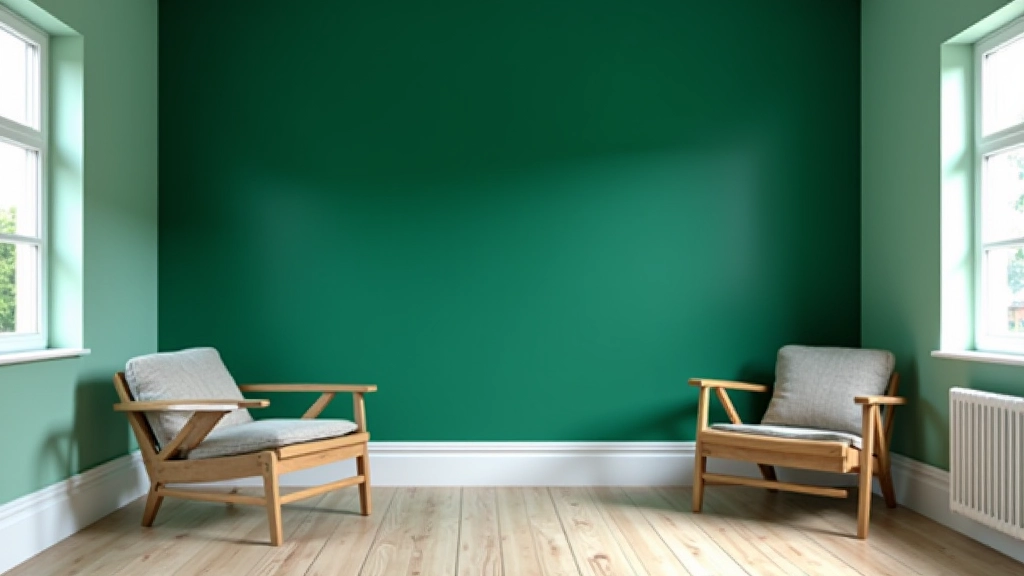
This is the project that changes everything. A single wall painted in a deeper shade or bolder colour completely shifts the room's character. The best part? It's straightforward if you've got the right preparation.
Start by choosing your wall — usually the one you see when you walk in, or the one behind your sofa. Pick a colour that complements your existing furnishings rather than fighting them. Deep forest greens, warm terracottas, and soft charcoals work brilliantly in British homes.
The transformation is immediate. Your room suddenly feels intentional, curated, and more sophisticated. You're not painting walls randomly — you're creating a focal point that anchors the entire space.
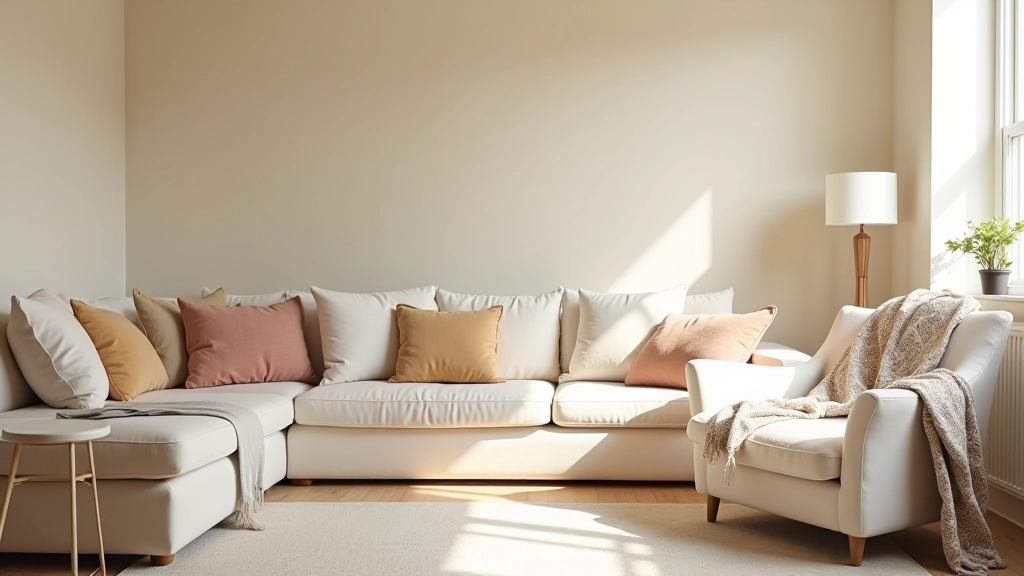
New cushions, throws, and curtains breathe life into tired furniture. You don't need to replace the sofa — you need fresh textiles that feel current and cohesive. John Lewis and Dunelm stock brilliant ranges at reasonable prices, and you'll find everything from classic linens to patterned cottons.
The strategy is mixing textures and tones. If your sofa's neutral, add cushions in warm tones or subtle patterns. A chunky knit throw draped over the arm adds dimension. Swapping curtains for something with better drape or a more interesting pattern changes the window's whole presence in the room.
Shopping tip: A set of 4 cushions (£40-70), one quality throw (£25-40), and updated curtains (£60-100) can cost less than £200 total. It's one of the quickest, most impactful weekend changes.
The brilliant thing about soft furnishings is they're reversible. You're not committed long-term. If that pattern doesn't work, you've got new options next month without any guilt or waste.
Sometimes a room doesn't need new pieces — it needs them in different places. Repositioning furniture creates better flow, improves sightlines, and makes the space feel intentional. This costs nothing except time and perhaps a bit of back strain.
Start by identifying your room's natural focal point. Is it the window, a fireplace, or the TV? Arrange seating so it faces that point. Remove furniture blocking pathways. Pull pieces slightly away from walls — rooms feel larger and more inviting when they're not pushed to the edges.
The test: Can you walk from the door to the sofa without shuffling sideways? Can you reach a lamp without stepping over chair legs? If you're nodding no, you've found your rearrangement opportunities.
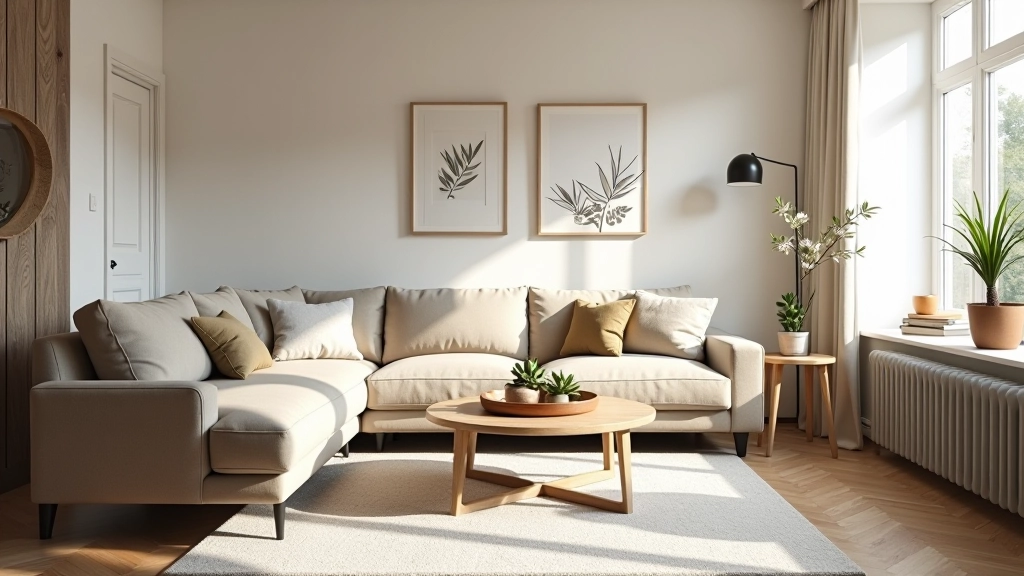
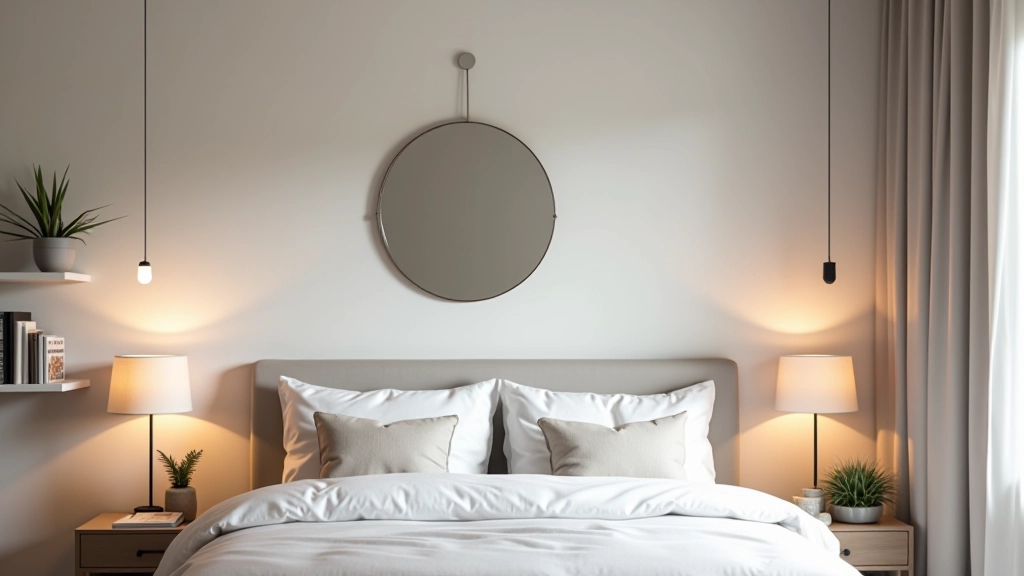
Light changes everything. A new pendant or wall sconces make spaces feel more intentional and brighter. Mirrors amplify natural light and create a sense of space, especially in smaller rooms. Both are projects you can tackle in a few hours without any special skills.
Replacing a ceiling fixture is straightforward if you turn off the power at the fuse box. Most new fittings come with installation instructions that are clearer than they sound. Wall lights are even simpler — drilling two holes, hanging the bracket, and connecting three wires.
A large mirror leaning against a wall behind a console table costs £40-80 and instantly creates focal point interest. Hung above a sideboard or fireplace, it bounces light around and makes the room feel larger. The impact is disproportionate to the effort.
4-5 hours
for lighting upgrade
30 mins
to hang a mirror
£80-150
typical budget
This sounds basic, but it's genuinely transformative. A thoroughly cleaned room with items organised and surfaces clear feels like a completely different space. You're not buying anything — you're just removing clutter and restoring order.
Start by removing everything that doesn't belong in the room. Gather items to donate, recycle, or return to their proper places. Dust surfaces properly, vacuum corners, and clean windows inside and out. You'll be amazed at how much brighter the space becomes.
Organise what remains. Books on shelves arranged by colour or size, decorative items grouped in odd numbers, clear surfaces except for a few intentional pieces. This costs nothing and takes about 6-8 hours depending on room size. The psychological impact is enormous.
Honestly? Many people do this project first because it's free and reveals what your room actually looks like when it's clean. You might discover you don't need half the other changes once you've removed the visual noise.
The projects that deliver real results in a weekend aren't about major structural changes. They're about clarity: choosing one focused change (paint a wall), refreshing key elements (new cushions), improving flow (rearranging furniture), enhancing atmosphere (lighting), and creating calm (decluttering).
Pick two or three from this list rather than attempting all five. A feature wall plus new soft furnishings is a powerful combination. Rearranging furniture plus deep cleaning is almost free and genuinely transformative. You don't need to do everything at once.
The real win? Stepping back on Sunday evening and seeing a room that feels updated, intentional, and like you've actually invested care in it. That feeling lasts longer than you'd expect, and it often sparks ideas for the next weekend project.
Disclaimer: This article provides general information about home improvement projects. Before beginning any electrical work (lighting installation) or structural changes, ensure you understand local regulations and safety requirements. If you're uncertain about any aspect of a project, consult a qualified professional. Always turn off power at the mains before working with electrical fixtures. The timelines and costs provided are approximate and may vary based on your specific circumstances and location.